

How to Display Baseball Cards Safely: Expert Tips for Protection & Style
Learn expert tips for displaying baseball cards safely and stylishly from UV protection and lighting setup to creative display ideas that turn your collection into art.
If you’ve been in the hobby for more than a week, you’ve probably hit that “uh-oh” stage: stacks of slabs on your desk, binders overflowing, and a partner wondering why the dining table looks like a mini-PSA warehouse. Collecting is easy, showing it off the right way is the real game.
Displaying baseball cards isn’t just about flexing your hits. It’s about protecting decades of history, preserving color and surface quality, and giving yourself a daily reminder of why you fell in love with the sport (and the chase) in the first place. The good news? You don’t need a museum budget or Trevor Hoffman-level trophy room to make your setup look clean and pro.
In this guide, we’ll break down practical, collector-tested ways to display your baseball cards from simple wall shelves and LED lighting to UV-safe cases and smart humidity control. Whether your collection lives in a spare room, a man-cave, or next to your PS5, these tips will help you build a display that looks amazing and keeps your cards safe.
At QuirkShelv, we’re collectors ourselves, obsessed with craftsmanship and protection. So, every suggestion here comes from real hobby experience, the same mindset that drives us to design UV-protected, illuminated cases for PSA-graded cards and other collectibles.
Why Displaying Your Baseball Cards Matters

A good display does two things at once: it protects your cards, and it makes you enjoy your collection. Most collectors don’t talk about it, but there’s a huge difference between owning cards and experiencing them. When they’re buried in a shoebox, you forget what you even have. When they’re up on a wall or sitting in a clean, UV-safe case, those cards suddenly feel alive again like you’re reliving a moment in baseball history every time you walk past.
There’s also a practical side. A proper display:
- Keeps your most important cards away from sunlight, fingerprints, and dust.
- Makes it easier to monitor their condition over time.
- Helps you spot which cards you want to upgrade, grade, or eventually sell.
And for a lot of collectors, displaying cards becomes part of the identity of the hobby itself. It says: these aren’t just pieces of cardboard; they’re part of my story.
If you’re building out a card room, a gaming setup, or even just a shelf in your office, displaying your collection gives it purpose. And when you’re using something thoughtfully built like UV-protected cases or dedicated slab displays you get the long-term preservation benefit too. (If you ever browse the hobby forums, you’ll notice that smart displays and UV protection come up constantly.)
If you want to take it even further later, you can check out our baseball card display case options, which pair UV protection with clean, modern lighting but we’ll only bring that up when it naturally fits.
Common Display Problems Collectors Face
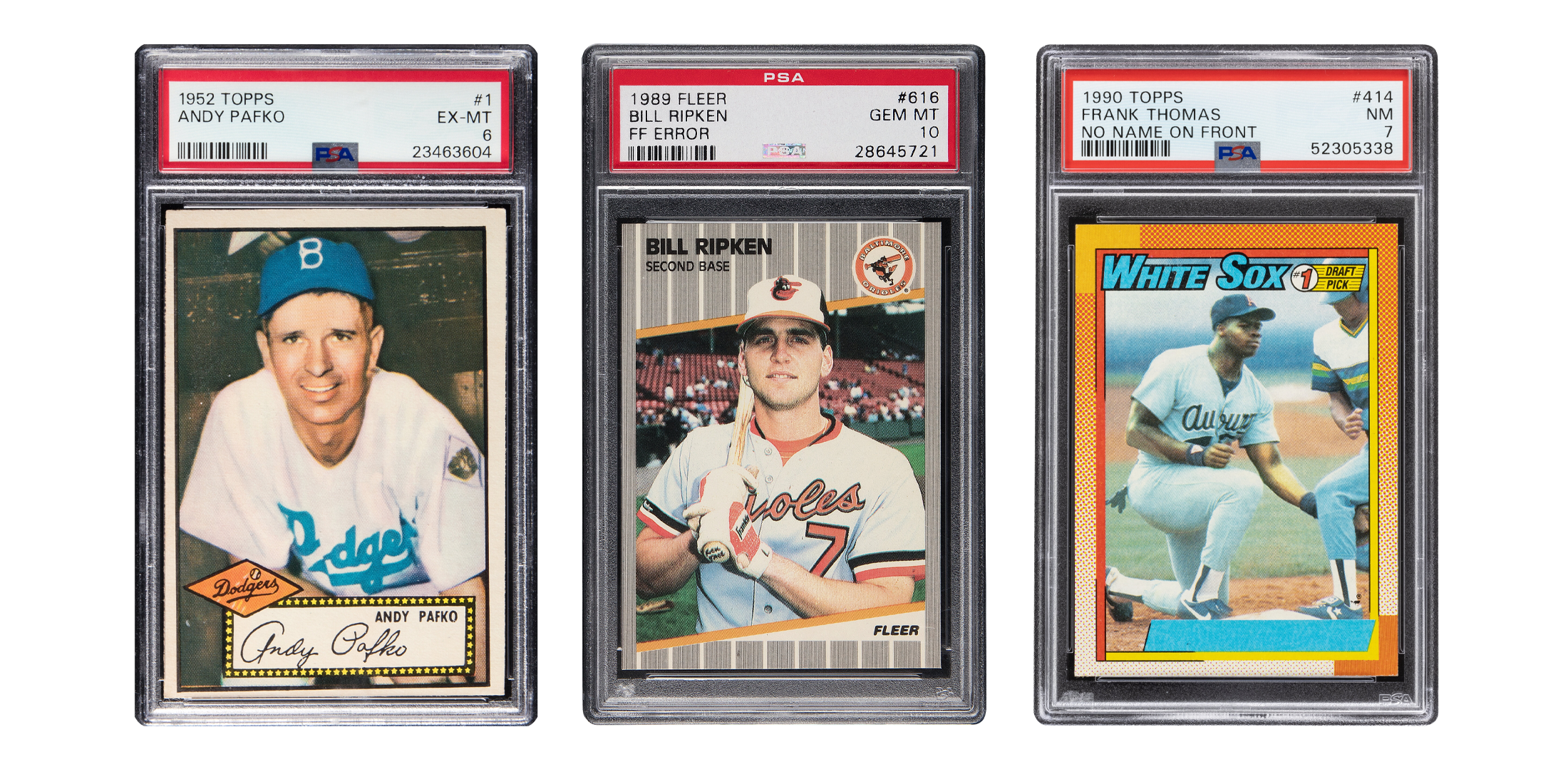
Before we jump into setups, it’s worth calling out the issues almost every collector eventually runs into. Whether you're displaying a PSA 10 rookie or a raw card you just like, the same threats show up repeatedly and most of them sneak up on you.
Here are the biggest ones to watch out for:
UV Fading is the hobby’s silent assassin
Even if you think your cards aren’t in direct sunlight, UV rays bounce around a room. Over months or years, they can fade colors, wash out signatures, and dull foil surfaces. Reddit threads are full of collectors who showed off a card one year, only to notice the autograph turning ghost-level faint the next.
Dust and Airborne Gunk
Dust settles everywhere: shelves, frames, slab edges, binder pages. Over time, it works its way into tiny openings and leaves discoloration or faint lines across exposed edges. Smoke (even from cooking) does the same thing, just faster.
Moisture & Humidity
Basements are the biggest culprit. Too much moisture can warp raw cards, cause rippling inside binders, and even create mold inside older penny sleeves or cheap frames. Anything above ~50% humidity for long periods starts to get risky.
Heat from Lighting
Some people use the wrong LEDs or worse, halogen spotlights and slowly cook their slabs without realizing it. Heat + sealed plastic = warping, label discoloration, and long-term damage.
Overcrowded Displays
When you cram too many cards together, you:
- lose the visual impact
- increase the chance of cards tipping over
- make dusting a nightmare
This is why collectors on Reddit often migrate from “random shelf chaos” to clean, intentional rows or into cases built specifically for slabs.
Using Non-Archival Materials
Cheap frames, acidic cardboard backings, and random plastics from dollar stores sound harmless, but over years they can leech chemicals, fog surfaces, or leave residue.
Safe Display Environments
You can have the nicest slabs in the world, but if the environment around them is bad, they’ll age faster than a 1990s Topps chrome refractor left on a windowsill. Creating a safe display zone is the foundation of long-term preservation, and it isn’t complicated, just a few rules collectors swear by.
Choose the Right Room
The safest rooms for displaying baseball cards are:
- North-facing rooms (least natural light)
- Offices or dens
- Living rooms with blackout curtains
Try to avoid:
- Basements with humidity swings
- Rooms with big, sun-exposed windows
- Direct HVAC vents (dry air or heat blasting on slabs = not ideal)
Control Light Exposure
Light is your #1 enemy even LED strips if placed incorrectly.
Best lighting setup:
- Use 100% LED lighting (true LEDs give off almost no UV).
- Keep lights indirect, bouncing off walls rather than pointed straight at cards.
- Avoid fluorescent and incandescent bulbs, which leak UV over time.
If you’re using a display case with built-in lights (like the ones we design at QuirkShelv), having the LEDs isolated below and away from the PSA slab itself massively reduces risk.
Temperature & Humidity Control
Hobby rule of thumb:
Keep your display area between 65–75°F and 30–50% humidity.
Too dry = warping.
Too humid = mold and rippling.
Simple tools that work:
- A small digital hygrometer
- Silica gel or desiccant packs inside cases
- A mini dehumidifier if you’re in a humid region
These changes cost $15–$40 but protect thousands in cardboard value.
Avoid Hazardous Surfaces
Some surfaces slowly release acids or chemicals that can fog acrylic or degrade plastics over years.
Safe surfaces:
- Painted walls
- Metal shelves
- Glass
- Sealed wood
Surfaces to avoid for long-term displays:
- Raw MDF
- Cheap plywood
- Unsealed wood
- Old foam boards
Use UV-Safe Cases When Possible
If you’re displaying grails or PSA slabs you want protected long-term, using UV-protected cases or UV-blocking acrylic is a game-changer. This is where museum-grade glass (like what QuirkShelv uses) pays off, it blocks harmful UV without yellowing over time.
Types of Displays: Find Your Style

Every collector has their own vibe. Some want clean museum lines, others want a wall that looks like a late-90s hobby shop, and some just want something that’s better than “I threw them on top of my Xbox.”
Here are the most popular display styles each with its own strengths, weaknesses, and collector culture behind it.
Acrylic Wall Shelves (Minimalist & Modern)
These are the go-to for people who want a clean, floating look that doesn’t dominate the room.
Acrylic shelves are popular because they:
- Fit PSA, BGS, SGC slabs easily
- Make the cards “float” visually
- Can be stacked into multiple rows
- Work great in gaming setups or office spaces
This setup is all over Reddit because it’s affordable and has that “pro collector” aesthetic without requiring woodworking skills.
When to use:
If you always want your slabs visible and like a modern, lightweight design.
Shadow Boxes & Framed Displays (Premium, Artistic)
Shadow boxes are perfect for mixing cards with memorabilia like signed baseballs, patches, pins, or ticket stubs. They’re deeper frames that let you build a mini story inside.
Collectors love them because they:
- Highlight special pieces (rookies, autographs, patch cards)
- Allow themed displays (team, era, player)
- Look upscale and “gallery-ready”
Downside: cheap ones use bad glass or acidic backings, so choose UV-safe materials or swap the glass out.
Display Boards (DIY & Budget-Friendly)
This is pure hobby-culture creativity: metal boards + magnetic tape are huge on Reddit.
Collectors stick painter’s tape on the back of each slab or raw card, then add magnet tape over it.
Result?
A flexible, grid-style display that costs almost nothing and lets you rotate cards whenever you want.
It’s not museum-grade protection, but it’s fun, customizable, and perfect for showcasing lots of cards at once.
Binders & Albums (Classic, Accessible)
Binders are old-school, but they’re still unmatched when it comes to organizing:
- Great for raw sets
- Perfect for browsing, trading, or showing kids
- Easy to label by year, team, or player
Not ideal for long-term premium pieces, but still essential for most collections.
Floating Shelves & Small Stands (Simple Display, Big Impact)
Individual card stands or small tiered shelves are perfect if you only want to highlight:
- A weekly “card of the week”
- Your favorite player
- A vintage grail
- A recent PSA return
Minimalist, flexible, and great for smaller rooms.
Dedicated Display Cases (Best for Long-Term Protection)
When you want the display to look clean and keep your cards safe, a proper case is the top-tier option.
A good display case should offer:
- UV protection
- Dust control
- Secure fit for PSA/BGS slabs
- Strong materials (acrylic, aluminum, museum-grade glass)
- Optional lighting that doesn’t heat the slab
This is where QuirkShelv naturally fits:
our cases offer UV protection, elegant lighting, and custom-fit designs specifically for PSA-graded cards but without shouting it from the rooftops. They just solve the exact problems collectors face when they move from “beginner display” to “final form.”
How to Protect Your Cards While Displayed
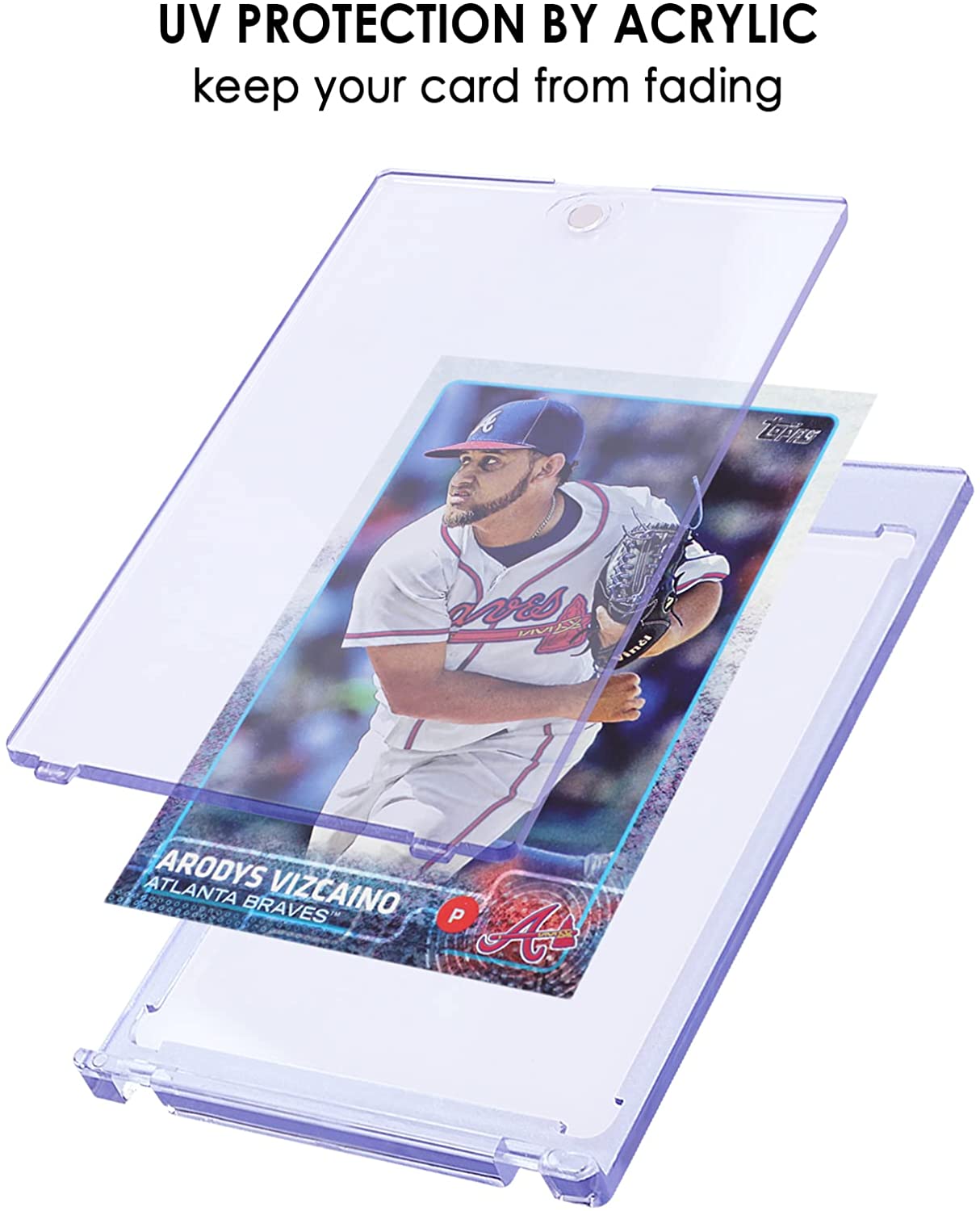
A great display setup isn’t just about making your room look good it’s about keeping your cards safe for the long run. Even the cleanest, most aesthetic wall shelf won’t mean much if your slabs slowly fade or warp over time. The hobby is full of collectors who thought their setup was perfect… until they realized their autographs were getting lighter or the foil on a 90s insert started to dull.
Here’s how to protect your cards while they’re on display, whether raw, sleeved, or slabbed.
Start With the Right Sleeves and Loaders
Even when displayed, the basic protection still matters.
- Penny sleeves (polypropylene) for raw cards
- Top loaders for affordable raw cards you still want protected
- Card savers only if you’re prepping for grading
- Mylar sleeves for long-term clarity (premium option)
Tip from the hobby:
Never force a card into a sleeve or loader especially chrome or older vintage. If it resists, angle it and “shimmy” gently.
For Graded Cards: Slabs Aren’t Invincible
A lot of collectors assume PSA/BGS/SGC slabs are “display-ready” protection.
They’re solid, but they still need:
- UV protection (slabs block some UV, but not all)
- Stable temperatures
- Distance from heat sources and LEDs
PSA announced improvements to slab polymers in 2024, but even then, UV exposure still damages the card underneath. A display case with UV-blocking acrylic or glass is the real safeguard.
Use Painter’s Tape for DIY Displays
If you’re using metal boards or magnetic tape (a very Reddit move), always:
- Put painter’s tape on the back of your card/slab
- Stick magnet tape on top of that layer
This avoids adhesive residue on slabs something grading companies hate, and collectors regret later.
Keep Distance Between Cards
Overcrowding your shelf looks messy, but it also increases risk:
- Cards can fall like dominos
- Hard plastics can scratch each other
- Dust builds up between tight gaps
Leave at least 1–2 cm between slabs for airflow and cleanliness.
Add Dust & Moisture Barriers
If your display isn’t enclosed, consider:
- A small desk air purifier
- Silica gel packs near (not touching) the cards
- Weekly microfiber wipe-downs of cases
- Using acrylic doors or a UV-safe enclosure if in a dusty home
Know When to Use a Case Versus a Shelf
Shelves are great for:
- Daily viewing
- Quick rotation
- Showing off big hits
Cases are better for:
- Grails
- Vintage
- Autos
- Foil cards
- Anything graded you want to keep pristine
Think of display cases as “museum mode” something that lets you enjoy the view and sleep at night knowing your cards are protected.
Lighting & Presentation Tips

Lighting is the difference between a display that looks fine and one that makes people stop mid-sentence and say, “wait… what card is that?”
Done right, lighting enhances color, depth, and texture. Done wrong, it quietly damages your cards.
Stick to LED Always
This is non-negotiable in the hobby.
LED lighting:
- Emits negligible UV
- Produces very little heat
- Keeps colors true (especially reds, blues, and foils)
- Lasts forever
Avoid halogen and incandescent lights completely. They run hot, leak UV, and slowly bake slabs over time even if you don’t notice it happening.
Indirect Light Beats Direct Light
A common mistake is pointing a light straight at the card like it’s an interrogation room.
Better options:
- LED strips mounted above or below the display
- Light bouncing off the wall behind the cards
- Recessed LEDs inside a case that illuminate evenly
Indirect lighting reduces glare on slabs and avoids hot spots on chrome or foil surfaces.
Warm vs. Cool Light: Pick a Mood
Both work it depends on what you’re displaying.
-
Warm white (3000–3500K):
Great for vintage cards, wood shelves, classic baseball vibes -
Neutral to cool white (4000–5000K):
Cleaner look for modern slabs, refractors, autos, and gaming setups
Collectors often mix the two across different areas of a room. There’s no rule just consistency within a single display.
Mind the Reflections
Slabs are basically tiny mirrors. To reduce glare:
- Angle shelves slightly downward
- Avoid lights directly at eye level
- Use matte walls behind displays when possible
If you’ve ever tried to photograph your slabs and fought reflections for 10 minutes, this will feel very familiar.
Give Cards Visual Breathing Room
Presentation isn’t about filling every inch of space.
A clean display usually:
- Limits each row to fewer cards than the shelf can hold
- Groups cards by theme (player, team, era)
- Leaves negative space so each card stands out
This is why rotating displays work so well fewer cards, more impact.
Mix in Personality
The best displays don’t look sterile. They feel lived-in.
Collectors often mix:
- A signed baseball or bat
- Team pennants
- Vintage photos
- Small figurines or pop-culture pieces
It turns your display from “storage” into a personal exhibit which is exactly what a collection should be.
And if your lighting is built directly into a display case, that consistency and control become effortless one of the reasons collectors eventually graduate from shelves to enclosed, illuminated cases once their collection grows.
Creative Display Ideas from the Community
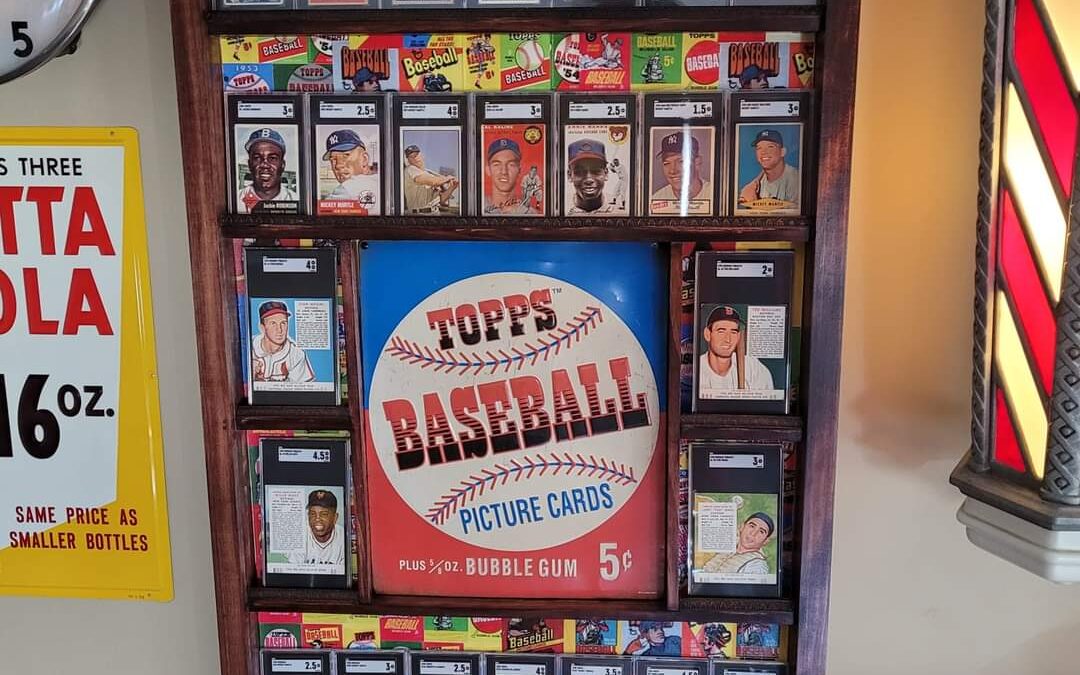
If you want real inspiration, skip the glossy product photos for a minute and scroll through hobby forums. Reddit is packed with collectors who figured things out the hard way trial, error, painter’s tape, and a Home Depot run or two.
The Magnetic Board Hack
One of the most popular DIY setups uses:
- A metal board
- Magnet tape
- A layer of painter’s tape on the back of each card or slab
Collectors love this because it’s cheap, modular, and lets you rotate cards constantly without re-mounting anything. It’s not museum-grade, but it’s perfect for high-rotation displays or showing off a lot of cards at once.
This setup pops up constantly in “Show me your displays” threads and for good reason.
Home Depot Shelf Builds
Another hobby classic:
Simple molding or shallow shelving cut to size, mounted in clean horizontal rows.
Why collectors use it:
- Costs almost nothing
- Has a built-in lip that cards rest against
- Scales easily across an entire wall
This is especially popular for raw cards or top loaders, and it gives off that “old-school card shop” feel in the best way.
The Mantle Rotation
Some collectors rotate a small number of cards on a mantle, desk, or shelf weekly or monthly.
It’s great if:
- You like variety
- You want to highlight new pickups
- You don’t want permanent wall installs
This approach pairs well with individual stands or compact display cases.
The Card Room Evolution
A lot of long-time collectors describe the same journey:
- Start with boxes and binders
- Add shelves
- Try DIY displays
- Eventually move to enclosed, UV-safe cases for grails
Not because they want to spend more but because once the collection grows, peace of mind becomes part of the hobby.
Mixing Cards with Memorabilia
One of the most underrated ideas is combining cards with:
- Jerseys
- Balls
- Figures
- Team memorabilia
Cards act as anchors the visual storytelling pieces that tie everything together. Even a single PSA slab next to a signed baseball instantly upgrades the entire display.
There’s No “Correct” Setup
Some collectors keep everything boxed.
Some put cards above the TV near the ceiling.
Some build full walls.
Some keep dusty shoeboxes and call it “vintage aesthetic.”
All of it is valid as long as your cards are protected and you’re enjoying them.
The best display is the one that fits your space, your habits, and your comfort level.
Long-Term Preservation Tips
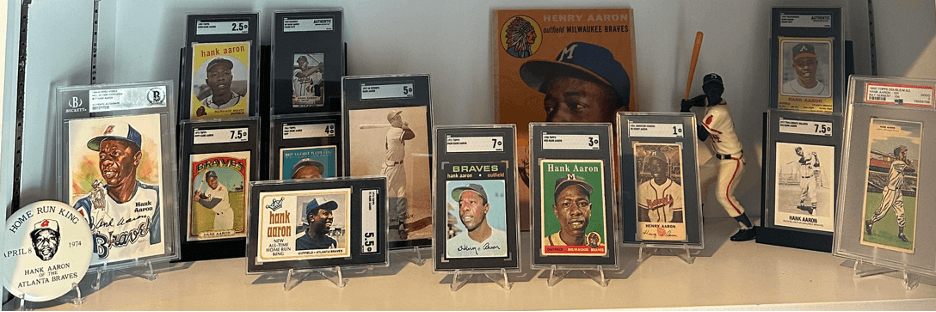
Displaying your baseball cards is about enjoyment today, but preservation is about making sure they look the same five, ten, or twenty years from now. The good news is that once you understand the risks, protecting your collection becomes mostly habit.
Think of this as the hobby’s quiet maintenance checklist.
Keep UV Exposure as Close to Zero as Possible
Even indirect sunlight causes cumulative damage.
Best practices:
- Never display cards opposite large windows
- Use blackout curtains or UV-filtering window film
- Choose display cases with UV-blocking acrylic or glass
- Avoid rotating displays into sunny rooms “just for a bit”
UV damage doesn’t announce itself. It shows up years later, when it’s too late.
Monitor Humidity Like a Collector, not a Homeowner
Paper and cardboard want stability.
- Ideal range: 30–50% humidity
- Use a digital hygrometer (they’re cheap and accurate)
- Add silica gel packs to enclosed cases
- Run a dehumidifier if you’re in a basement or humid climate
Collectors who ignore humidity are usually the ones posting warped-card horror stories.
Clean the Display, Not the Card
Never clean cards directly unless necessary.
Instead:
- Use microfiber cloths on cases and slabs
- Dust shelves weekly
- Avoid household cleaners near cards
- Keep food and drinks away from displays
Most card damage happens outside of the sleeve from grime, residue, or accidents.
Revisit Your Setup Once a Year
Collections evolve. So should displays.
Once a year, ask:
- Are my best cards still protected properly?
- Is anything getting more light or heat than before?
- Do I need to upgrade from open shelving to a case?
This is often the point where collectors decide to move grails into enclosed, UV-safe display cases not because shelves failed, but because the stakes got higher.
Insurance & Documentation
If your collection has real value:
- Photograph key cards
- Keep serial numbers and grades logged
- Consider standalone collectibles insurance
Even the best display can’t protect against everything. Insurance finishes the job.
Bringing It All Together: Display with Pride
At the end of the day, baseball cards are more than collectibles. They’re snapshots of history, personal milestones, and moments that made you fall in love with the game or the hobby in the first place. Keeping them hidden away in boxes might feel safe, but it also means you’re not really enjoying what you’ve built.
A great display doesn’t have to be complicated. It just needs to respect a few fundamentals:
protect your cards from UV light, keep the environment stable, give them room to breathe, and choose materials that won’t hurt them over time. Once those basics are in place, the rest becomes fun lighting, layout, rotation, and personality.
As your collection grows, many collectors eventually reach a point where shelves and DIY solutions aren’t quite enough for their most important cards. That’s where dedicated display cases make sense not as an upgrade for the sake of it, but to protect the pieces that matter most while keeping them on view.
At QuirkShelv, that exact balance is what drives everything we build. Our display cases are designed by collectors, for collectors with UV protection, elegant LED lighting, and custom-fit designs for PSA-graded cards and other prized collectibles. If you’re ready to give your favorite cards a display that looks as good as it protects, you can explore our display solutions or dive into our other guides on collectible preservation and display.
However you choose to display your cards, the goal is simple: enjoy them. You collected them for a reason they deserve to be seen.
